Sunday, February 25, 2007

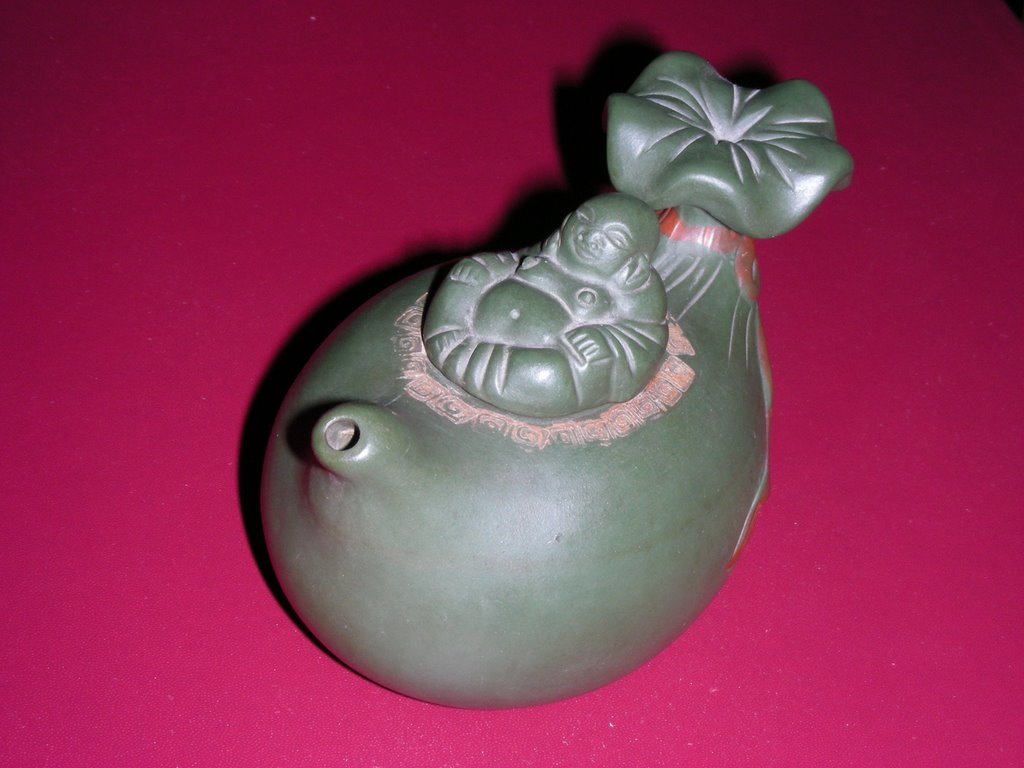
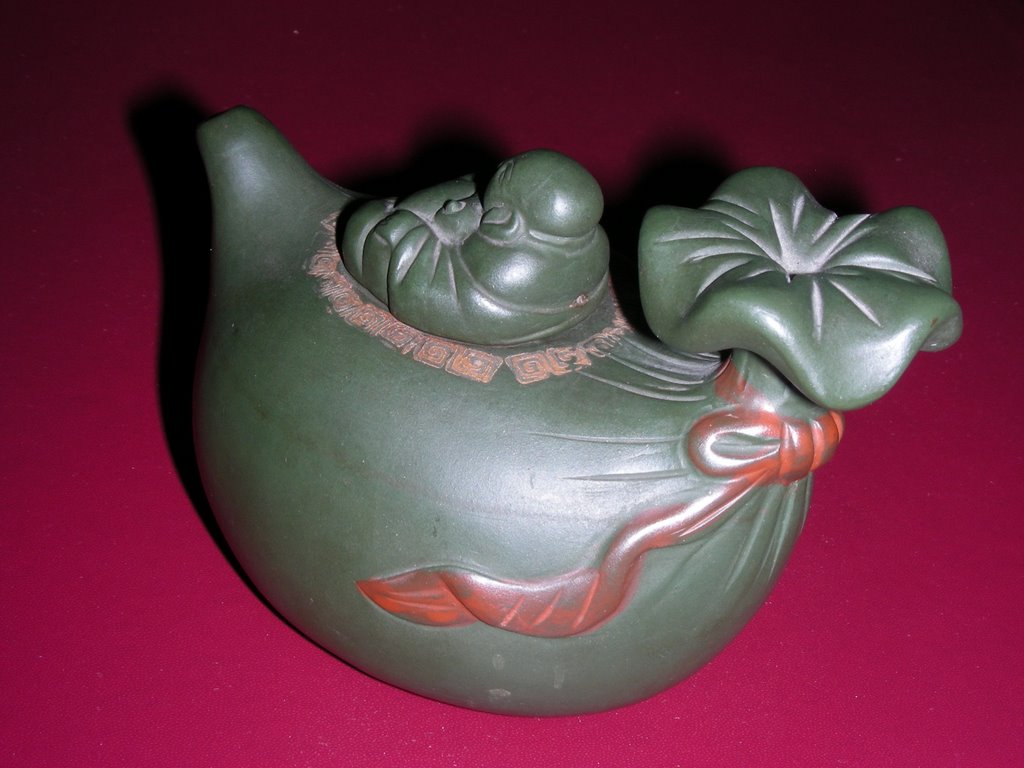
Unknown age green clay Yixing pot

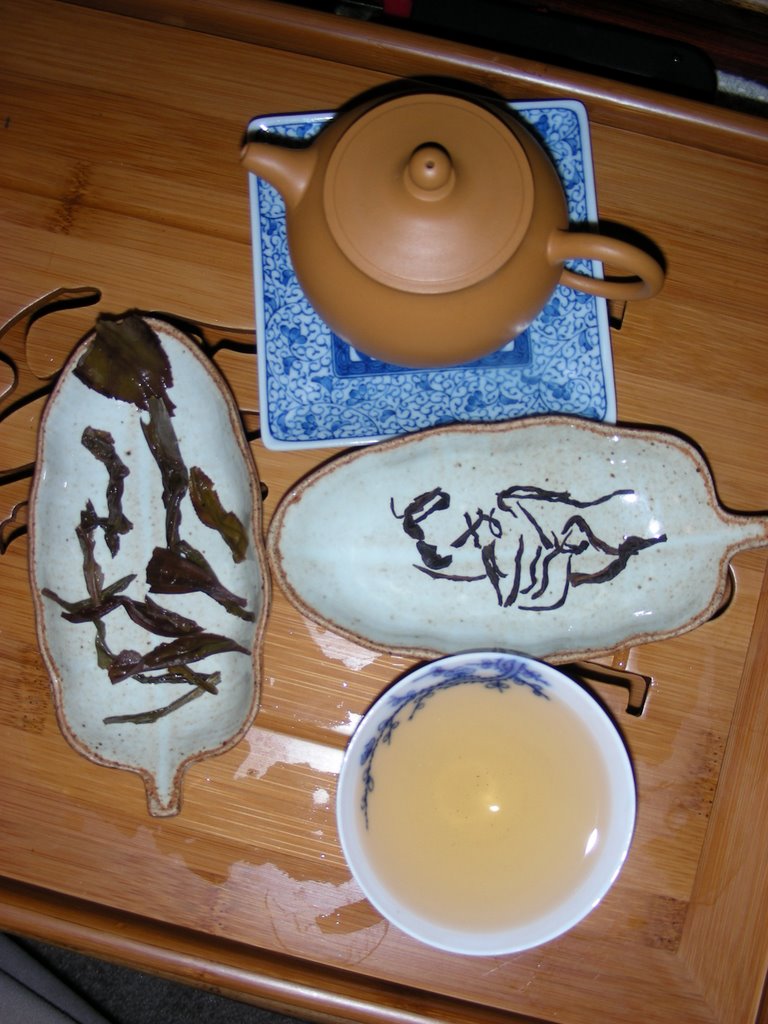
My father was in China to attend my cousin's wedding. It is nice to have family and friends who fuel my tea obsession. My cousin gave me this unknown age old yixing pot! It's very smooth to touch, well seasoned with use, wonderful art work, and I love the mythical representation of the figure.

Buddhism promotes the idea of Karma, kinda like a score card through out your life, before life, after life and every life there after, basically eternal; your family can inherit your karma as well, roughly speaking. Monks particularly accumulate good karma by not eating/killing animals, eliminate desires, promote peace, no wrong doing, and so on. Once they reach the level of kindness of god, they become immortal and assume super power in order to continue to do good for the human kind.

This pot portraits a monk with super power where he's capable of inflating a raggie bag (his luggage/belonging) as his transportation vessel across the sea, fly over the clouds.


Tuesday, February 20, 2007

Snow oolong

T-ching tasting samples: snow, moonlight and nutty oolong. I'm going to be busy for the rest of the week, so I am going to do a quick tasting of Snow oolong before I leave for LAX.

Dry leaves: a lot of white hair young leaves, some what broken, sign of fermentation.

3 g, gaiwan, boiling water

The first brew started off well, floral, smooth with hint of sweetness

Boy that was as far as I could get on Tuesday!

Almost a week later (Sunday night), here I attempted the second tasting.

Same parameters, 10s, 15s, 30s, 60s

Started off with floral, hint of sweetness but not lasting; the second brew was more amber in color, compose and some leather hint, medium to crisp body, reminds me of my orchid barks; 3rd brew, compose taste is getting stronger and bitterness is noticeable; 4th, losing flavor rapidly, after taste is a little sweet mulchy.

This tea resemble Sun dried white peony more so than oolong, both in appearance and flavor.

I am really short on time, so I'll skim on the pictures.

Thursday, February 15, 2007

Decorated in Hong Kong


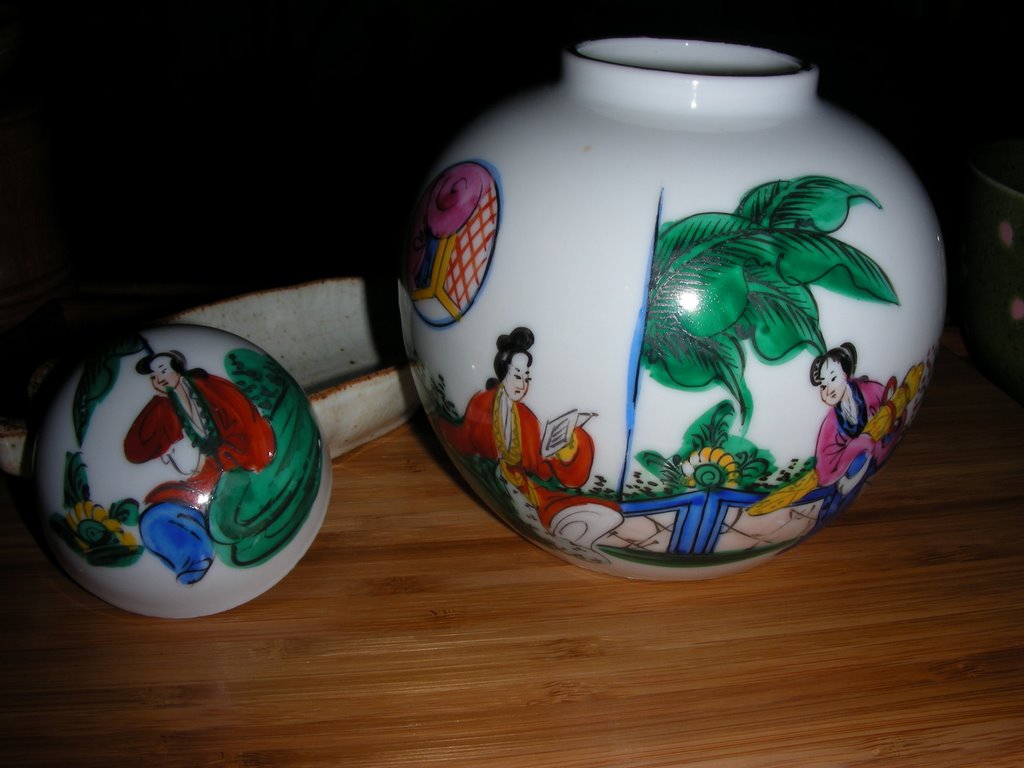
Chinese New Year is this Sunday, so it's time to clean house! As a result, I packed up some clothes that I no longer wear, drove them to a local thrifty shop for the Aids foundation. Okay, I don't know where Goodwill is. Anyways, I found this little ginger jar, made in Japan, decorated in Hong Kong by Y.T.. One man's trash is another woman's treasure?!

I'll use it to store my 9 yrs old loose pu-erh.

Tuesday, February 06, 2007

05 vs 06 Lao Ban Zhang bricks

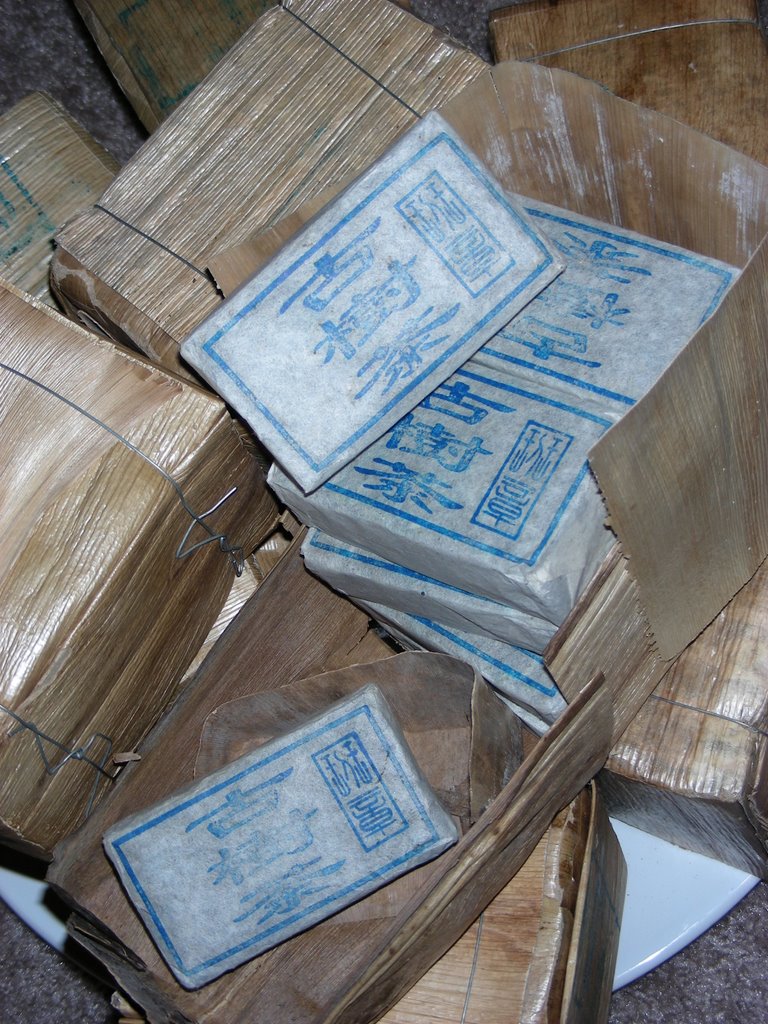
I bought a 2005 brick last year and liked it a lot, so I bought a lot of 10kg of the 06 bricks for aging. Although I had both tea today, my focus was away from tea, so I can't give accurate tasting notes at the time being. Pictures below show the difference of the two.

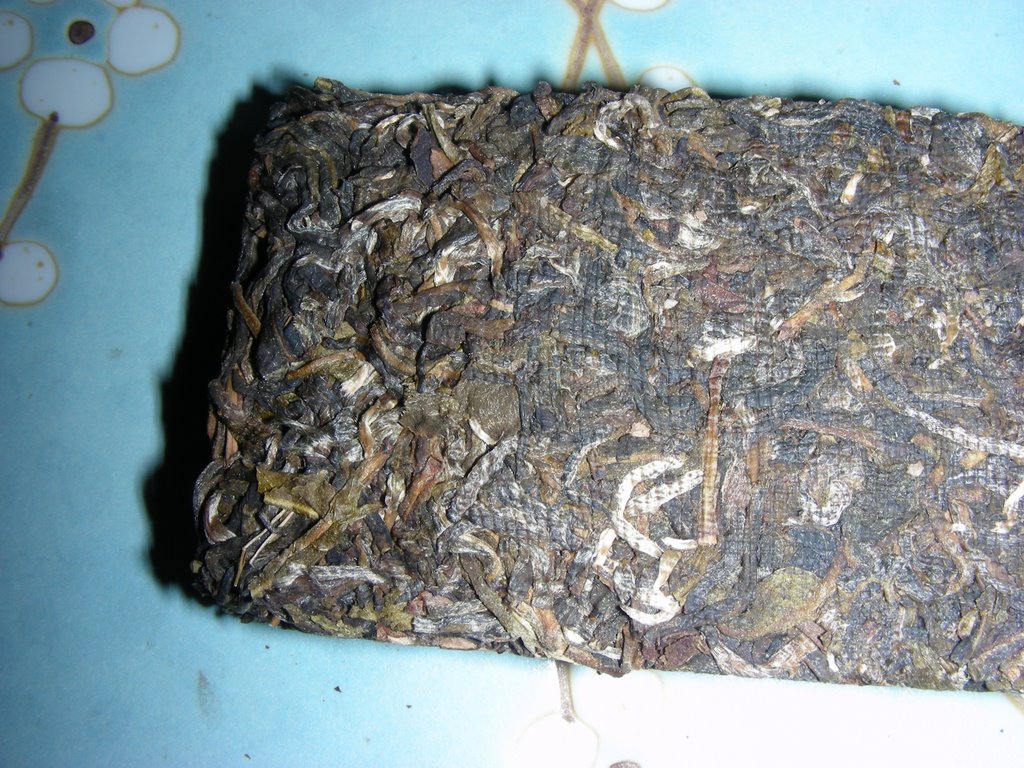
Left 05, right 06, both look about the same, however 06 seems a little less compressed than 05. I can break off the 06 rather easily in large pieces of leaves.


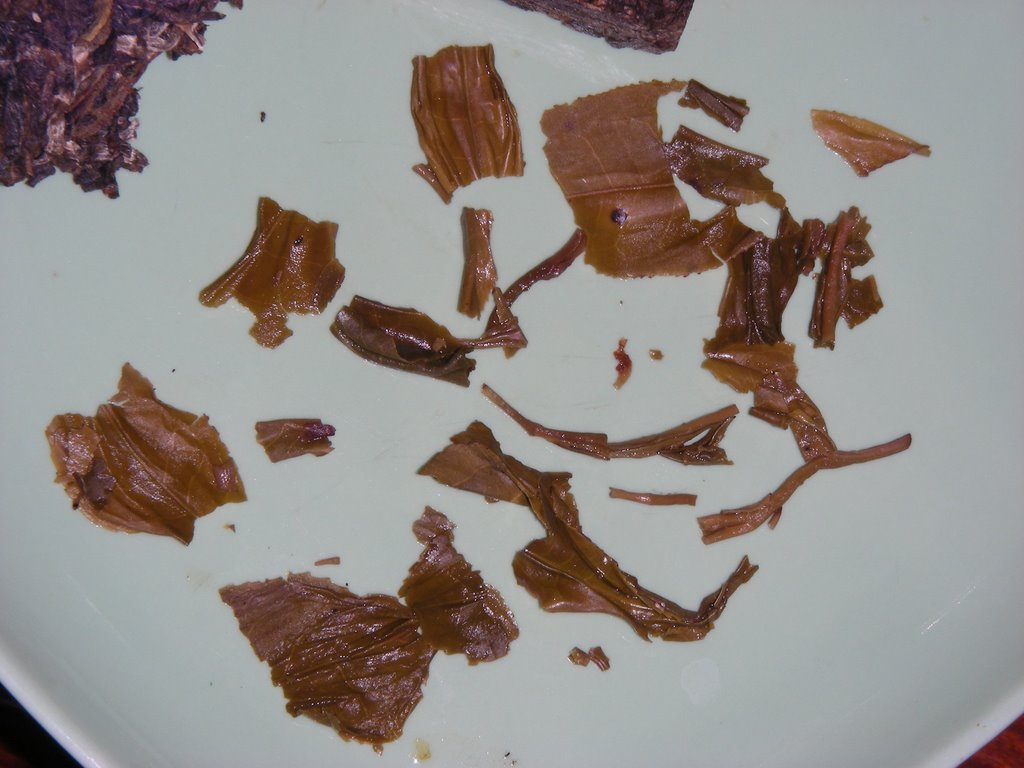
Left 05: Small broken leaves, this could be from my clumsy technique of breaking the brick, also I am currently prying the middle of the brick.
Right 06: Some whole leaves can be seen, consist of both young and old leaves.


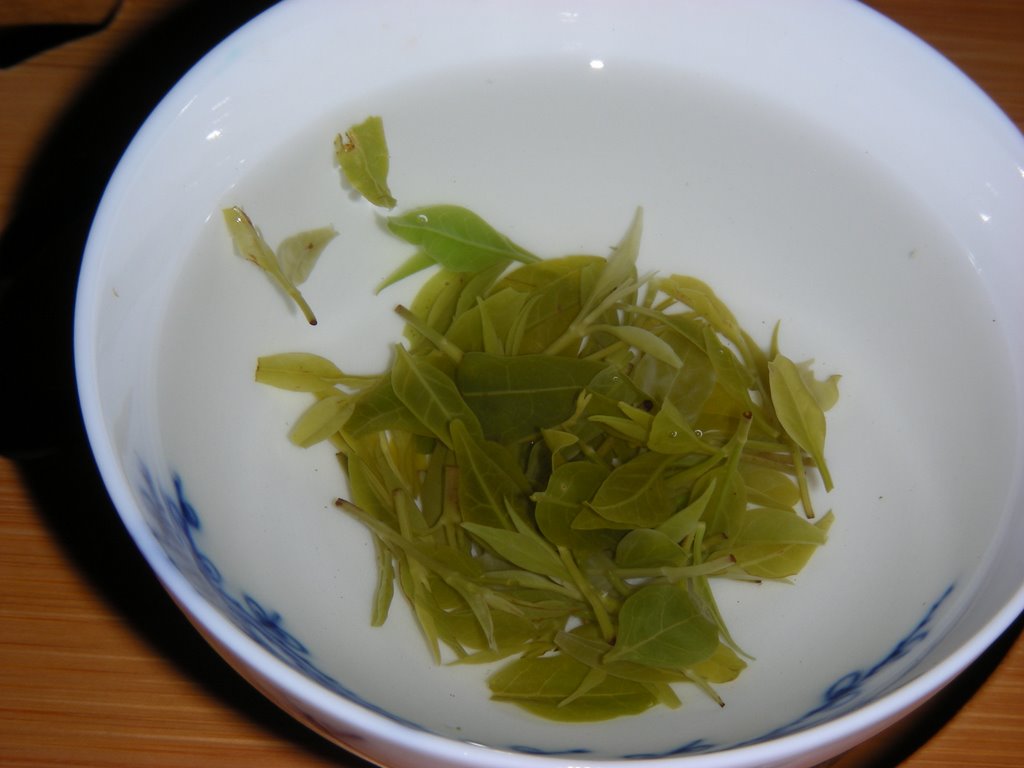
Closer look of the 05 wet leaves.


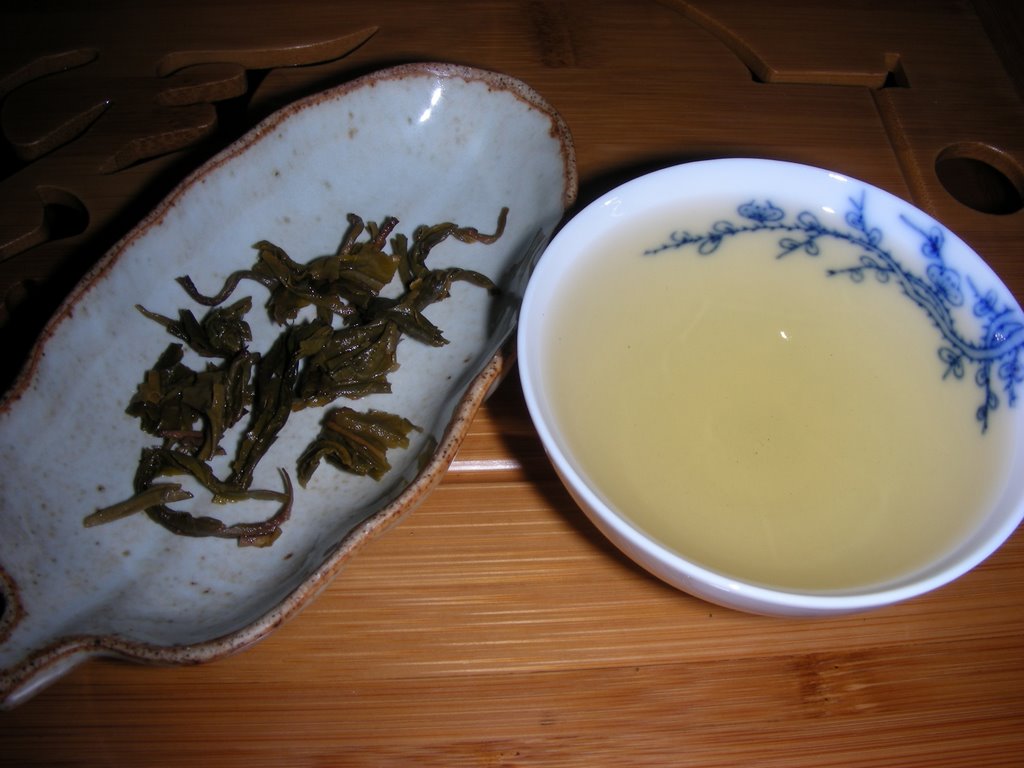
Closer look of the 06 wet leaves.


Both are similar in color, light amber.

Wednesday, January 31, 2007

My home gallery


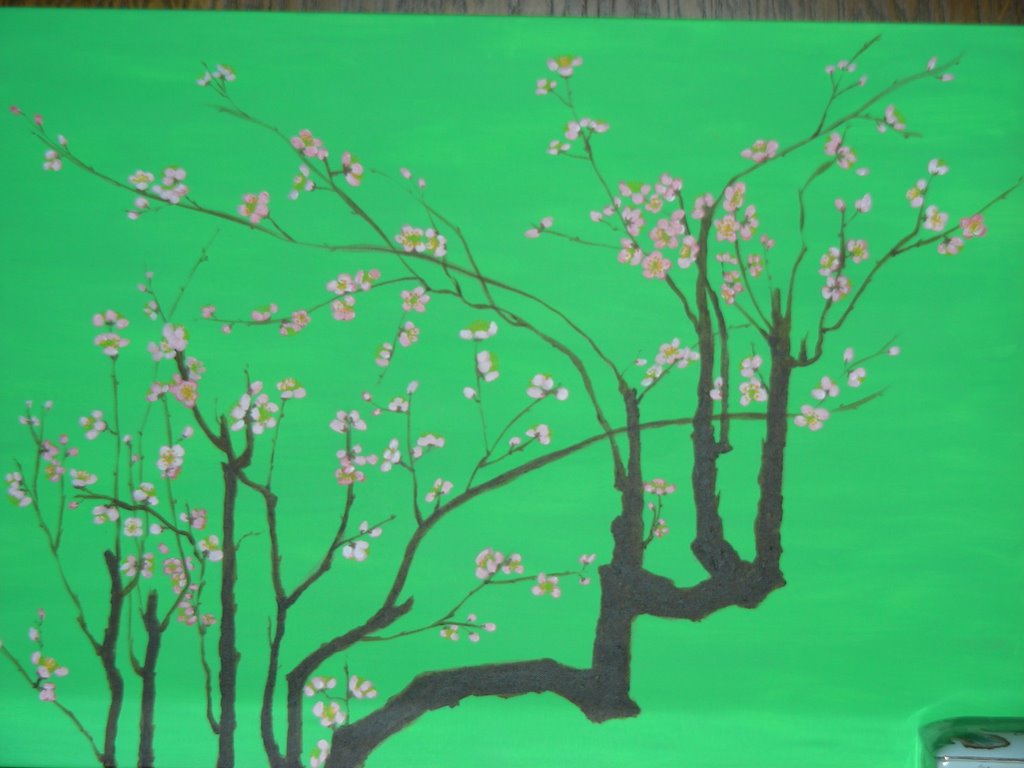
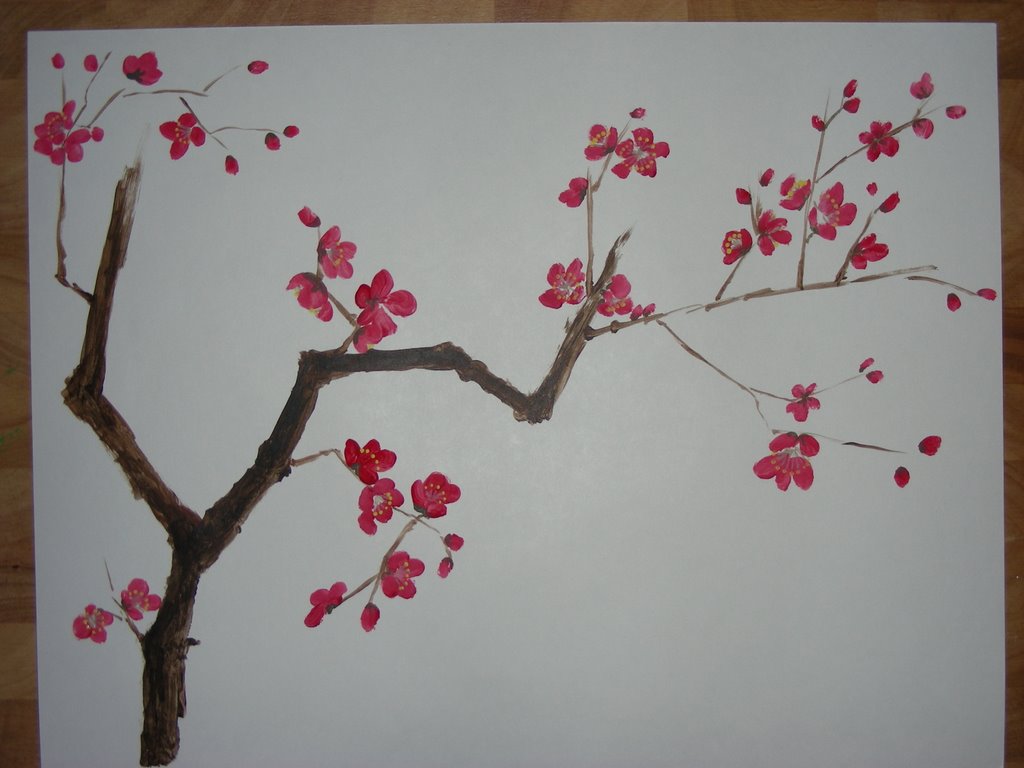
I shamelessly am very proud of my hall of prune blossoms.

Tuesday, January 30, 2007

My opium addiction


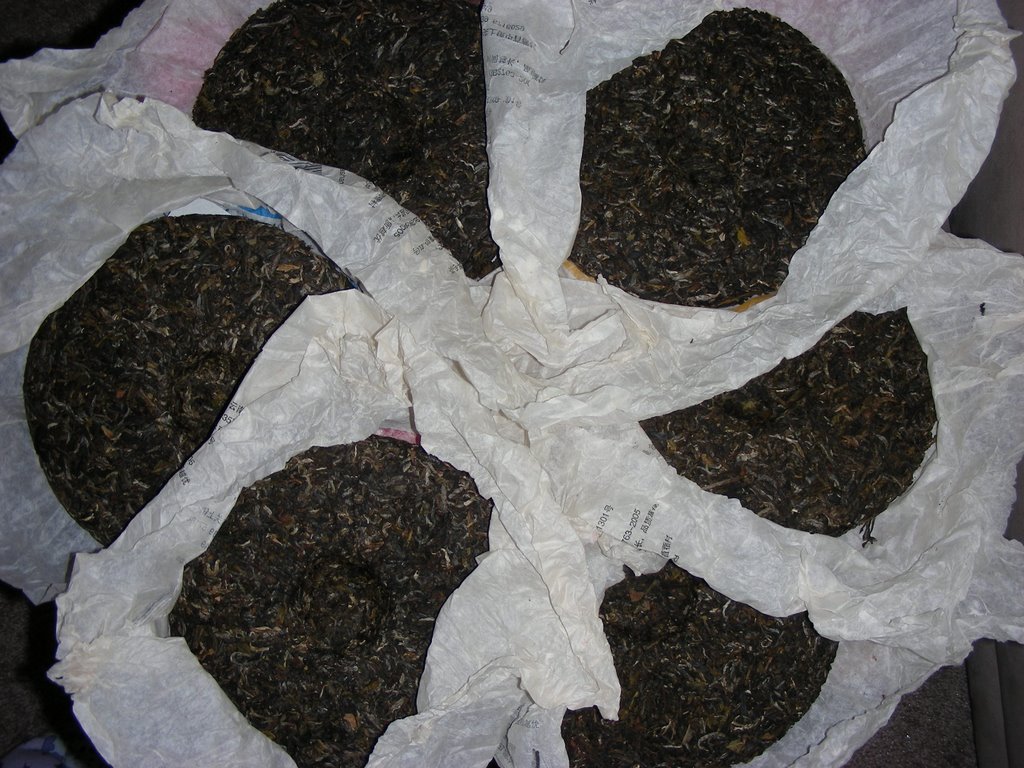
Here are my bricks, 10kg of 2006 Lao Ban Zhang pu. The excitement I feel about these bricks is similar to an opium addict found a supply of the gooey paste in bricks on the opium bed.

Speaking of opium, tea and opium got mingled together starting late 1700's, the British forced opium import to China to pay for tea consumption instead of paying with silver, triggered the famous Opium War in mid to late 1800's. The lost of Hongkong, forced open trading in ports of Guangzhou, Xiamen, Ningbo and Shanghai, the nation was brutalized by the British and other European countries, lingering resentment of the western countries are still among many Asian countries in addition to China. It was the most difficult time in all China history.

Tea has been a luxury item highly sought after and fought for for hundreds years. I can't imagine not indulging every sip of tea I can get my hands on. I treasure my tea more than diamonds and gold! Tea can nourish your soul, enrich your spirit, cleanse your flesh. Beauty within is the ultimate endeavor.

Change of comment setting

My blog is targeted by a handful of spam online promoters recently, featuring adult contents and various commercial products. To prevent further spamming and maintain the "purity" of my tea, I have changed comment setting of this blog to registered users only with text verification. I apologize for the inconvenience and thank you for your understanding!

Green day

Part of my loose leaves order arrived over the weekend. Inside of this box are mao fung, silver needle, sun dried bai mu dan, traditional bai mu dan and 10 kg of Lao Ban Zhang.

Sun Dried Bai Mu Dan

This is my favorite out of the 4 greens. Although I am not a big fan of green, this Bai Mu Dan has the floral aroma of a dan cong, sweetness of a pu-erh and the lightness of a green without the bitterness and grassiness.

4g, gaiwan, crab eye water, bottom throw
It started with a strong sweet floral aroma, liquid is clear yellow, sweet, a lot of flavor for a green. Being sun dried, it should be categorized as white instead of green?! Well, it has all the characteristics of white, no much of green at all. It can take long steeping and hot or warm water, taste great hot or warm. The flavor does not turn bland in anyway. It's a great tea for beginners and every day office drink. You can't make a bad cuppa with this tea no matter what tool you use. Well with the exception of bad tap water maybe. Love it! A good skilless tea.
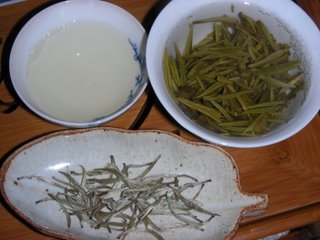

Silver needles

Attractive looking leaves, young and hairy, though not as hairy as some others I have seen. It's also on the thin side.

4g, gaiwan, crab eye, bottom throw
It was nutty and grassy, astringent, very light yellowish color, sweet after taste, dry mouth feel afterwards, can't take long infusions. It's decent, but nothing to brag about.


Jade pole
interesting looking tea, my first perception was these might be some old leaves. Turns out they are very young and tender, long thin leaves picked right after spring rain.

4 poles (4g), gaiwan, crab eye, bottom throw
Sweet and nutty, a bit astringent, slight sweetness, last 3 brews, faded quickly after the second. Its flavor is better than the silver needles.

I had 3 out of 4 greens so far for the day, and already drunk. But, I am going to hit one more - traditional bai mu dan.
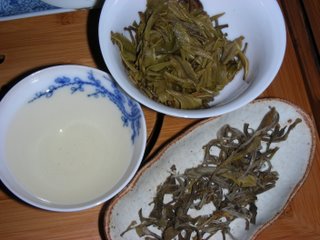

Traditional bai mu dan

This is a true green version, steamed then dried.

4g, gaiwan, crab eye, bottom throw
Light floral, grassy, hint of nutty and astringency, sweet and nutty after taste, last 3 brews, mild in every way as a typical green. Bitter and astringent when steeped for long.
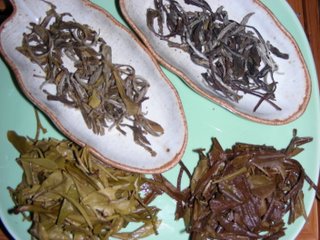

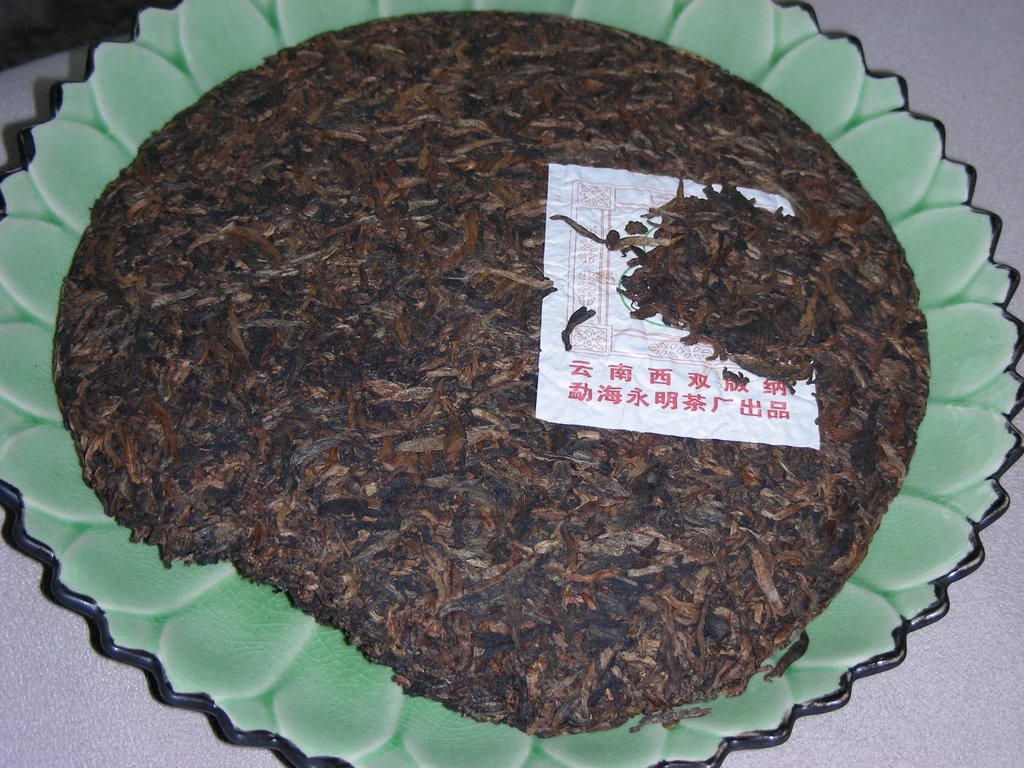
Difference of the 2 bai mu dan

Left: traditional (steamed green); right: sun dried (fermented during drying). Sun dried version is very flavorful compared to the steamed version. The fermentation allowed the break down of the sugar, gave it a honey like sweetness brew after brew. This is my re-orderable item.
Wednesday, January 17, 2007

Birth of Lapsang Souchong - Zheng Shan Xiao Zhong

Myth of Lapsang Souchong 正 山 小 種 (Main mountain small bush)

Wu Yi Shan has long been the major tea producing region through out China history and today. Gong Bing - Tea cakes were produced before the Ming dynasty, loose leaves thereafter. Before tea became a fashion in European, black tea was no where to be found. It was born due to an accident. A military troop past by a village, made themselves comfortable by sleeping on top of a layer of tea leaves which were being sun dried during the day. The village people couldn't collect the leaves over night, then found the fresh leaves completely fermented the next morning. These leaves were to shipped to Europe originally as Wu Yi Yen Cha. But as a result, the village people smoked these over fermented leaves to mask the flavor using fire wood. The name Lapsang Souchong was given to this new product. Interestingly enough, the Dutch loved the smoky flavor and ordered more, hence the spread of Lapsang Souchong in Europe.

Lapsang Souchong is Fukkienese, Fu Jian in modern day. Tea is also Fukkienese, De' is how it's pronounced. It became Tee in Dutch, then Tea in English. Cha is the official name in China, also used in India and the rest of Asian countries. Geographically, Fu Jian port was the first landing of the Dutch to load up ship loads of tea. De' was therefore adopted by the Dutch and carried back to Europe. In fact, most imported tea from China to Europe are of Fukkienese names. I couldn't make sense of Lapsang Souchong before I found it on an English/Chinese tag at WHF years ago.

Friday, January 12, 2007

1996 Zhong Cha Orange Uncooked- MengHai


It's been a while since I post anything. Wish you all a happy new year! Beginning of the year is the time to plan, so I have. One of them is drink lotsa tea of course. :)

I am drinking a 1996 Zhong Cha "orange in orange" uncooked pu-erh by MengHai, sample from Hou De.

Dry leaves smell nice, aged forest floor, mixture of dried leave and wood, no smoke or unpleasant smell. Medium compression, complete dehydration made it easy to break off leaf by leaf, shiny and white hair leaf tips can be found.

4 g, gaiwan, boiling water

Rinse, pour immediately, I usually taste the first rinse to see how drinkable it is. I was expecting something fermented astringent or even musty taste, to my surprise, it taste sweet and nutty right from the beginning.

1st brew, 10s, reddish amber color, clear, smooth creamy mouth feel, sweet, nutty, woody, hint of bitter after taste.

2nd brew, 10s, more red, heavier nutty, woody flavor, smoother and creamier than first, hint of bitter, subtle sweetness

3rd brew, 5s, color remain dark reddish amber even with shorter infusion, similar to 2nd brew but sweeter mixed with same level of bitterness.

4th brew, 5s, nutty, less woody, sweeter, light creamy mouth feel, lingering creamy mouth feel

5th brew, 10s, it become sweeter, floral flavor is coming out, quite interesting

I made 15 brews, each gets sweeter, but lighter in color, more floral and nutty, woodiness is almost gone since 8th brew.

Open leaves, mixed regions, some young meaty leaves, some matured meaty leaves, small amount of thin large leaves do not seem to come from the same type of tree as the meatier type.

Over all a well aged raw pu.

Pink blossom 20x30"

New recent painting up sized from 9x12" to 20x30". I feel the pressure of my over ambitious project 36x6'.

Saturday, December 30, 2006

Singing doll

My sexy baby doll

One of my 3 yrs old niece's presents is a singing doll, I believe she's Belle of Beauty And The Beast. The lyric goes like this:

Your invited
Your invited
Tea for two
Tea for two
You take out the cookies
I'll pour the tea out
You and me
You and me

Ever since her birth, I find my childish side I tried so hard to repress for years resurfacing again. A silly singing doll which I refused to spend a second to lay my eyes on years ago, became quite endearing now, well especially it sings a song of tea of course. :)

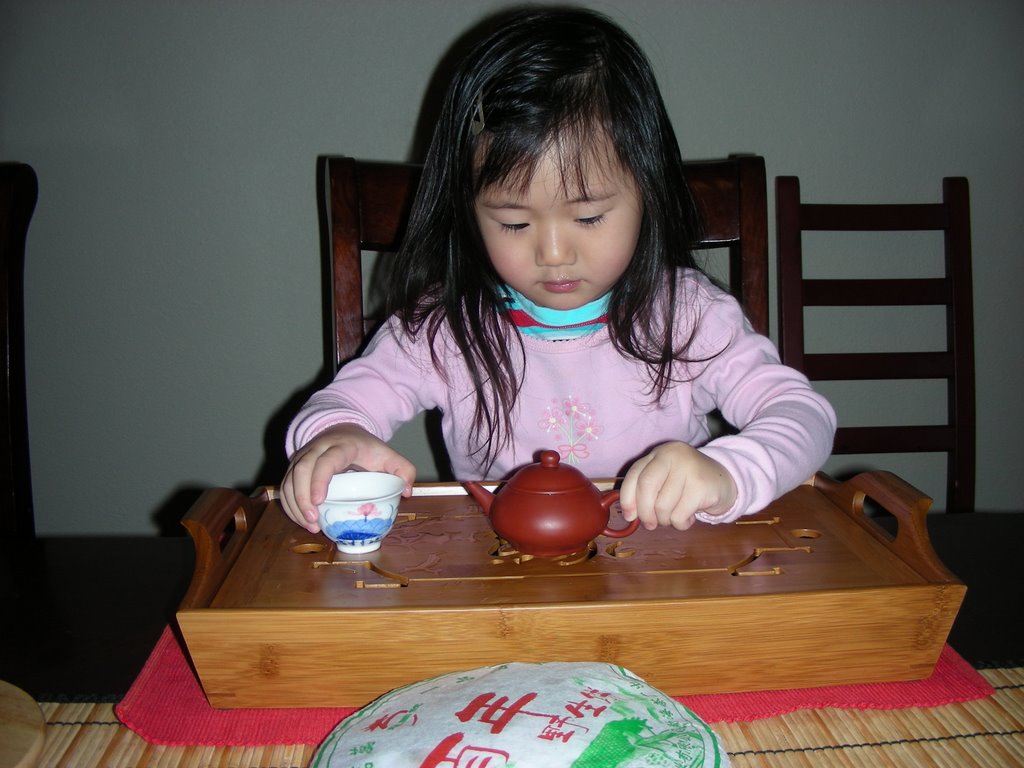
My niece likes to "cook" and "make" tea, she has her own stove complete with cook wares, spices, condiments, ingredients, table wears, utensils, 2 sets of tea ware. Her favorite is tea party, if she's "making" tea, you must "drink" it, usually her dolls are the main guests, I am just there to fill in.

Whenever I make tea with my little pots and cups, she'd join me with her own teaware. We often toast with a cup of tea too. Nothing is too silly with her. I have 2003 pu-erh stored away for her 18th birthday, also 2006 for my nephew too. My attempt to introduce tea drinking to both of them, and preserve some thing rather special for years to come.

Wednesday, December 27, 2006

Jiu Qu Hong Mei


Jiu Qu Hong Mei - Nine meander red prune (tree) 九曲红梅
I got this sample from YHF a couple of months back. Yes they give out samples SOME TIMES.

What a pretty name, poetic indeed! This is a fully fermented red tea (black in English terms). The dry leaves are quite attractive, uniformly long and slender, appear to be young leaves, smell like sweet dried lichi fruit, caramel, and a woody aroma typically associates with red tea.

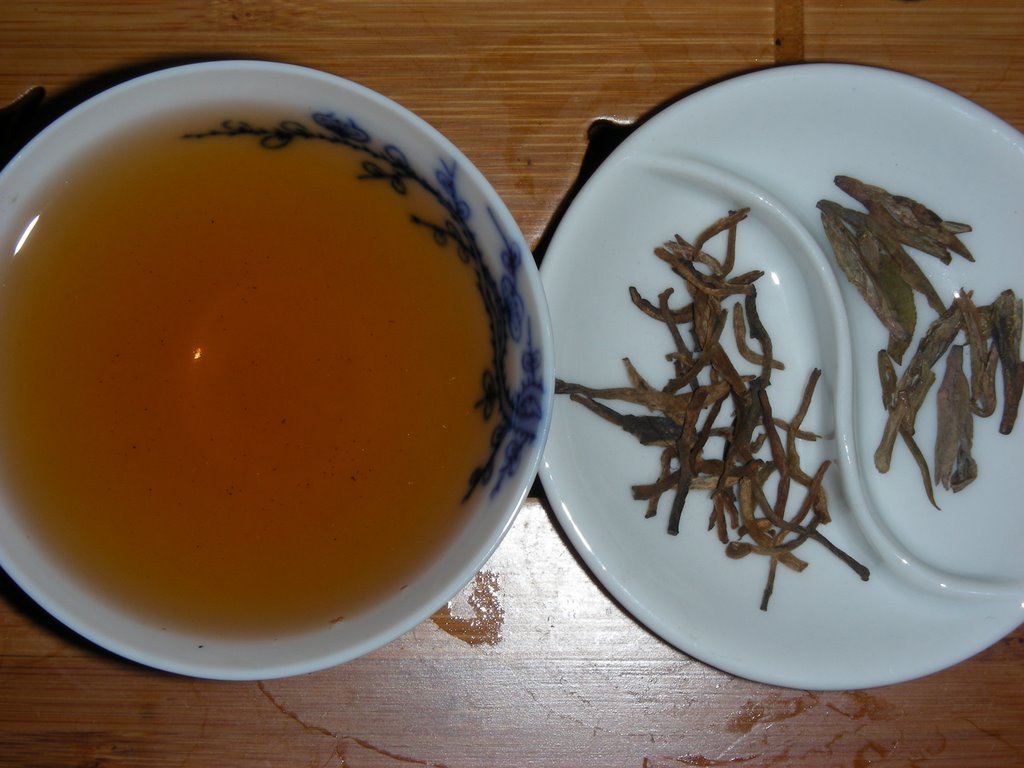
2 oz, gaiwan, boiling water, 5s, 10s, 10s, 15s, 30s, 45s, 60s. Tea is medium amber in color, clear and smooth texture, sweet fruity taste, light aroma of a prune and dried lichi mixture. It develops a different taste in every brew. I find this to be a gem in YHF for as little as $30 per lb. The taste and leave grade are both more superior than Da Hong Pao at $50 per lb from the same store.

I am not much of a red tea drinker nowadays, however this is one of the red tea I would definitely like to stock up. It'd make a cup of good milk tea with more leaves for stronger taste.

Tuesday, December 26, 2006

Tien Chi flower tea


Dry


Steeping in water

I hope everyone had a wonderful Chrismas holiday! Mine was relatively easy, 2 parties with deliveries and a case of wine, many guests brought wine, so we drank almost 2 cases. Tea was not on the menu though. Both Chrismas eve and day, I didn't get out of my parent's house a bit. It was laid back and family alone time!

My girlfriend's mom came back from Hong Kong a week ago, she brought back these Tien Chi dried flowers for me. They look like little broccoli flowers. I steeped 10 flowers in a gaiwan filled with hot boiling water for 2 minutes. Tea tastes like American Ginseng, sweet, hint of bitterness leaving a cool feeling in back of tongue. Very soothing in mouth and in stomach. This will be my new comfort tea, replacing Kuding tea, because it's less harsh in taste.

Tien Chi - Araliaceae ginseng plants 田七, an herbal medicine grown only in Yunnan and Guang Xi province China. Raw Tien Chi can help stop excessive bleeding, disperse bruise. Cooked Tien Chi prevents blood clog, coronary disease; enhance blood circulation.

Friday, December 22, 2006

Green Tea Lavender Soy base candle

I discovered a key at my mail box today. A key for large package storage lockers. In side the package is a very lovely aromatic candle from a friend of mine whom is also a tea fanatic. It's a green tea lavender scented candle in creamy white soy base. It sounds almost edible, doesn't it? It smells quite interestingly nice, floral comes through first, not a strong lavender smell tho. When lit, it smells like a soy based matcha drink with brown sugar. Yummy! Thank you G!

Sunday, December 10, 2006

Drunk

I am sooo tea drunk right now. My head is light, my knees are weak, my heart beats fast (I took a HOT bath too). So I took a walk along the canal of Naples Island in the middle of the night. A storm came on shore couple of hours ago, cleaned the forever smoggy air here. The street is clean, air is fresh, the moist air is nourishing, wind is still blowing, all of which made my midnight leisure stroll so much more enjoyable.


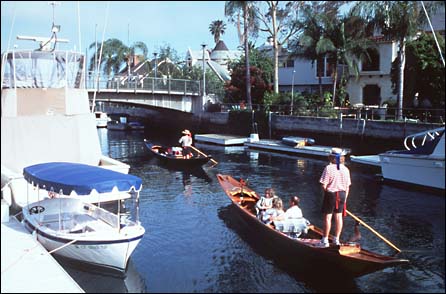
Naples Island is a neat little area where water canal runs through the island along houses. Kinda like a mini Venice but much better. You can even take a gondola ride with a bottle of wine and serenated by your boat captain. Half of the houses are decorated with elaborate Xmas lights at this time of the year. It's such a beautiful night to walk around here, beautiful architectures, landscaping, boats on the water, reflection of the moon and clouds on the water, quite and occasional laughter from distant houses across the water way. I smell alcohol walking by a house full of partying crowd.

Here are a few tea I had through out the day.


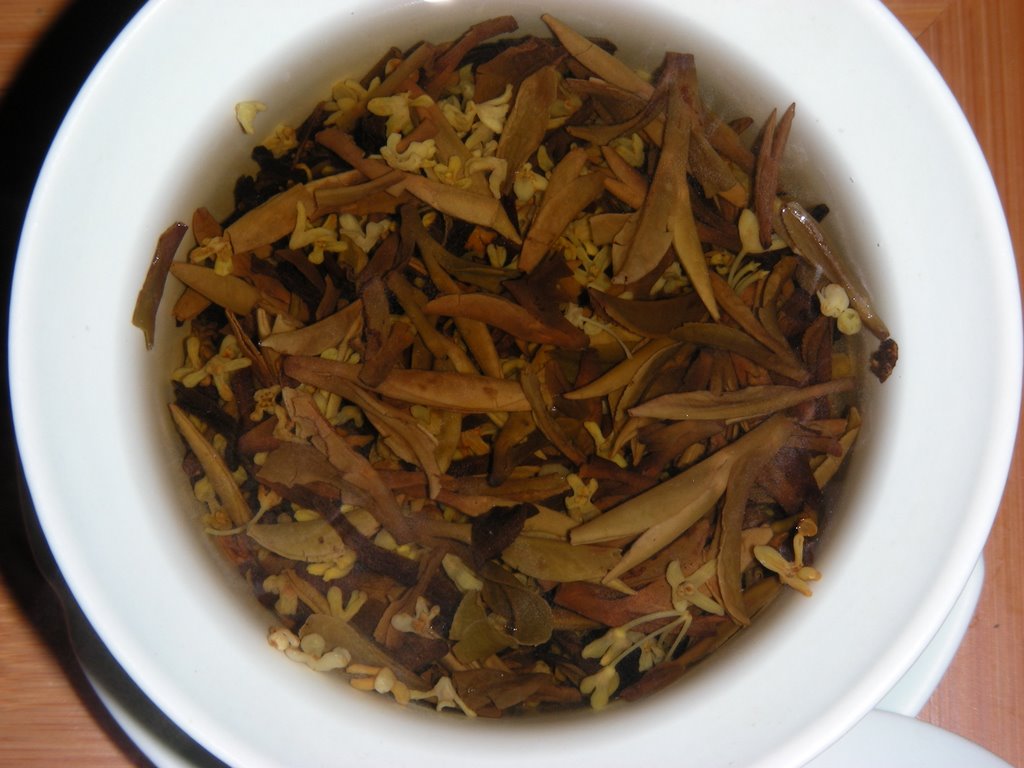
Mixture of loose golden tip pu-erh, Lung Jing and osmanthus flowers. I did not like the pu-erh by itself, so I re-roasted it with some of the "old" LJ, the result was I over roasted them, then I add osmanthus flowers to mask the heavy roasty taste. Mouth feel is very smooth and eventually became sweet after the 5th brew.


Zhuang Minority Girl Pu-erh, golden bud tribute cake. Young tender leaves, I couldn't stomach the cha qi of this raw cake.


King tea biscuit from ancient tea tree from Qing dynasty, Lung Yuan Hao. An other raw very green strong cha qi pu-erh.

I also had some Orchid Dan Cong. This tea is the most difficult to brew consistently. The orchid aroma shifts from brew to brew, cup to pot, various temperature. I was captivated by the first impression of the fragrance, so I kept trying it for the last few days.

I over did tea today, and everyday in the past week. Any one know how to get rid of tea drunk?

Saturday, December 09, 2006

China tea in world market

My obsession with tea has been transcending from drinking just because it's a custom, to Kung Fu tea, to tea art, to history, until tonight, Chinese tea influence by market share.

I spent a few hours searching for tea related articles in the Chinese sites, which I usually hate because of all the flash, popping icons, annoying music and more colors than a rainbow designs. I found one article that's quite inspiring. China is #1 in tea growing land space, #2 in tea production, #3 in tea exporting, #4 in foreign money earning by tea trade. China is at an embarrassing situation where it's the largest tea country yet not the strongest in market share. The unknown author pointed out 5 mistakes China tea industry make in promoting/marketing tea globally.

1. Branding. European successfully brand and market a product that not a leave is grown on its soil, however China operations are still "mom and pop" operated. Corporate management is still at its youth in China. There isn't a financially strong enough corporation to brand its name globally. The Chinese government should play a major role in establishing a foundation for the country's sake, rather than numbers of small players trying to make a dot in the global market. Sort of like the Farmer's association here in America, uniting individual farms to organize/control production, implement central marketing strategy, gathering and transporting. "Got milk?", "Pork is the other white meat!"! Something to learn from eh.

2. Positioning. Since the 80's, Chinese tea faced strong competition of coffee, juice, and bottle water, all relatively young drinks comparing to thousands years old tradition. For over 4 thousand years, tea is an irreplaceable item in China, its position is determined by consumer, tradition and culture. We can achieve that globally, not as a fashionable trendy thing, but a necessity household item as well.

3. Art over business. Instead of promoting tea on a pedestal, it should be an everyday practical necessity, ie "English breakfast". Something that everyone enjoys on a daily basis without digging a whole in a wallet. Many middle class American can bare an inflated tea price, however $30/lb tea would deter a buyer away compare to a box of tea bags for a mere $1.99 at supermarkets. Successful marketing is conquer market share. I have never seen a Jasmine tea bag at even the finest non-Asian cuisine restaurants in the states where it's free and mandatory at neighborhood Chinese restaurants. Chinese promote tea as an art, a way of living, yet it's just an other consumer product in eyes of the westerners. India the #1 tea exporter exports Darjeeling to the top 10 tea merchants in the world, 99% low grade tea. It's not a refined "art" they are trading.

4. Sales over specialty/quality. Many producers produce according to market trend, something sells well in the market, within 6 months, 5000 more producers are making the same tea. For example, pu-erh is reviving in the last 10 years, you see all kinds fake products surfacing on the market. The mind set of Chinese business men are focusing on how much money one can make at this moment, rather than developing a consistent line of products and create an identity for itself.

5. Market planning/investing. China tea export business is still at shipment by shipment opportunistic mentality. What it takes is a marketing plan to promote tea as a necessity, not follow market trend, nor a trend either. More than 3 hundred years ago, Chinese tea became known to the western world, however Indian tea is the household item today. That's the power of marketing of laying a foundation for a product. It requires a tremendous amount of time and financing to conquer market share.


Living in America and having limited available tea to this side of the globe, I felt it's a noble thing to do to promote the fine "art" of tea, putting my efforts to spread the Chinese tea culture no matter how alone I will be at this task. After reading this article, it's more than just satisfy one's indulgence, chasing that untouchable supremacy. In order to reach that cultural supremacy, one must not forget the baby steps, start from the basic, build a foundation first before reaching the top of the mountain. There is a need to reestablish Chinese tea's global position, we can all contribute with what we can, our knowledge, our passion and our belief. One day I'd be jumping in joy to find even just a bag of Lung Jing or Mao Jian in that nice tea box handed in front of me at any restaurants, be it French, Italian, and even better, a basket full of tea bags at Dennny's!!! It'd be amazing to see that happening during my life time.

Thursday, December 07, 2006

Small prune flowers


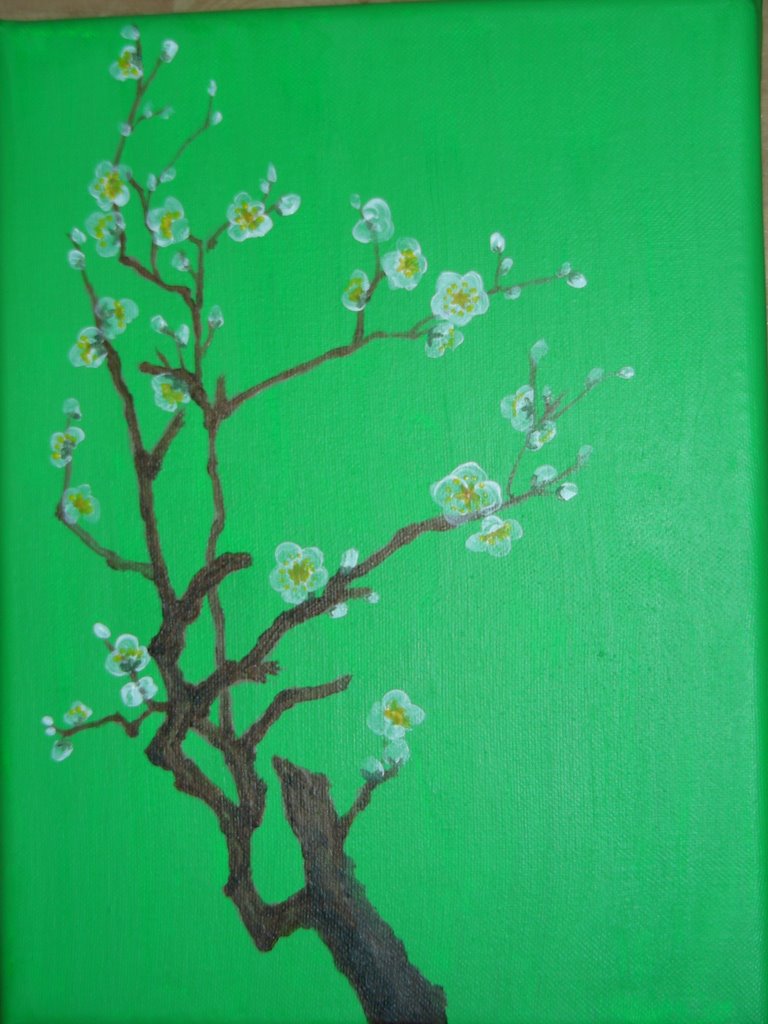
This is my favorite painting so far. I am making progress painting by painting. The small flowers fit well in the 9x12, it's more realistic than previous ones.

Orchid Dan Cong


I was invited to have dinner (hot pot) at my girlfriend's house in the Monterey Park area yesterday. Since I was in the area, WHF is a must visit. I came home with 3 kinds of tea. The Orchid Dan Cong is my favorite. I can only remember part of the name at the store, and the package is labeled Feng Huang Dan Cong. I rely on the label to give me the full and ACTUAL name!!! Although it's fun to wander around WHF, their operation I can make a few suggestions of. The tea lady is friendly because I am a regular, and I am a sucker of any sales scheme. So I end up with 3 tea and like only 1 of them. The other 2 are Da Hong Pao and Wu Yi Shui Xian, both are over exposed or "older". I should learn to be more firm under sales pressure.
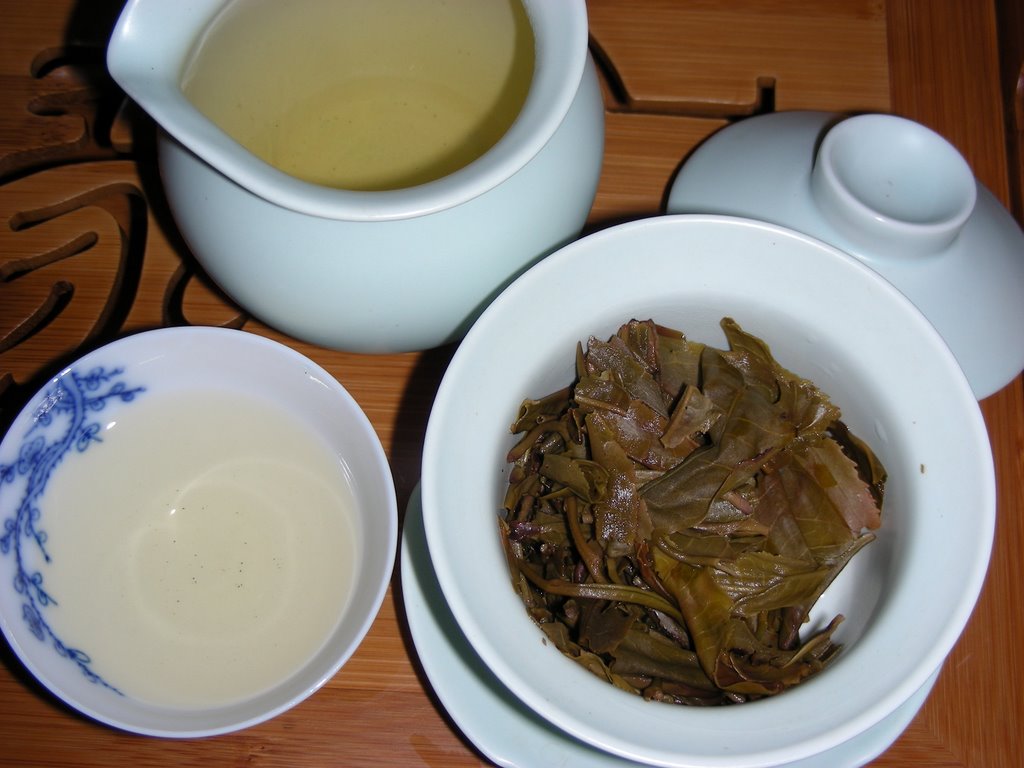
Today as soon as I got up, I couldn't wait to make some of this orchid dan cong. 2 grams in gaiwan and boiling water for the first try. It's full of dan cong flavor and lacking the orchid aroma I remember at the store. I then tried it the 2nd time with 2 grams in a duan ni yixing pot with lobster eye water. The flavor is more intense, that orchid fragrance I remember is all over my mouth, which last for 3 brews, liquid is a little sweet and become more so from the 3rd brew and on. I had a 3rd try with 3 grams in a duan ni pot and crab eye this time. The orchid fragrance is the best at this temperature with more leaves shorter infusions. There is also a cool tingling sensation on top of the mouth. I really like this tea, except I notice a salty after taste in the mouth. I don't know if this is what I had or my body is acting up. I don't assume it's the tea after taste at this point. Best is to try it again in a couple of days.

Wednesday, December 06, 2006

Drink your tea the right way

We often talk about tea in terms of its technicalities, the types there are, how it's grown, how it's processed, how to brew a good cuppa and so on. However tea drinking has been a way to pursuit spiritual growth aside of physical and spiritual health for thousands years. In the US and spreading back wards to the east are hypes of health benefit with scientific proofs along with products printed with TEA on cans bottles containing very little tea benefits. Are we regressing here? It has long been documented the benefit of camellia Sinensis thousands years ago plus its effects and side effects.

As long as I remember, my parents taught me not to drink tea brewed for a long time, especially tea left in a pot over night. I also read various articles in Chinese which talked about acid in tea become oxidized when left in open air for hours. Like anything become oxidized, it's no longer healthy for your body, or even intoxicates your cells. The harmful effects of left over tea are hardly brought up by scientists of the west. Iced tea, bottled tea, instant tea, powder tea mixtures that are made to meet the demand of today's fast pace, easy to prepared consumer mentality. They are still advertised as cancer preventitives. Made belief media hypes are really not educating our consumers with correct information. Anything spells T E A is not automatically healthy for your body.

My mother also taught me never take medication or vitamins with tea. It's a common knowledge among Chinese that only warm water is suitable for taking medication, unlike western medicines recommend water or juice. It's logical that you want to limit chemical reactions of medicine and liquid to take with. PH in anything other than clean water can alter the property of medicine. I try not to drink tea 1 to 2 hours before and after taking medications, which is recommended by many Chinese herbal doctors.

If you were already a tea drinker, you might as well drink it the right way to FULLY benefit from it.

Sunday, December 03, 2006

Prune blossom on paper


It's much easier to paint on paper versus on canvas. One of the reasons why I am mesmerized by ink painting on silk and paper. Paper and silk are absorbent compare to a gesso coated canvas, the color on paper is more natural and smooth, brush strokes are smoother as well. Some how it looks nicer, the only down side is the durability of the paper. Unless I become famous that my paintings are going be sought after hundreds years later, durability is probably not my first concern. This prune blossom painting can be addictive too, just like tea!

Saturday, December 02, 2006

2006 You Le wild bing by Six famous tea mountains

Ok, I can't help it. I sneak previewed the You Le wild cake. Its flavor is unlike other wild raw pu I had. Taste like lightly roasted dried papaya, sweet roasty and melon like fruity flavor. Interesting combination. Clean mouth feel, melon sweet after taste. It takes longer steeping to reveal the flavor, even the first couple brews take 20s steeping. There is a hint of minty cool feeling in back of mouth. Unusual combination!

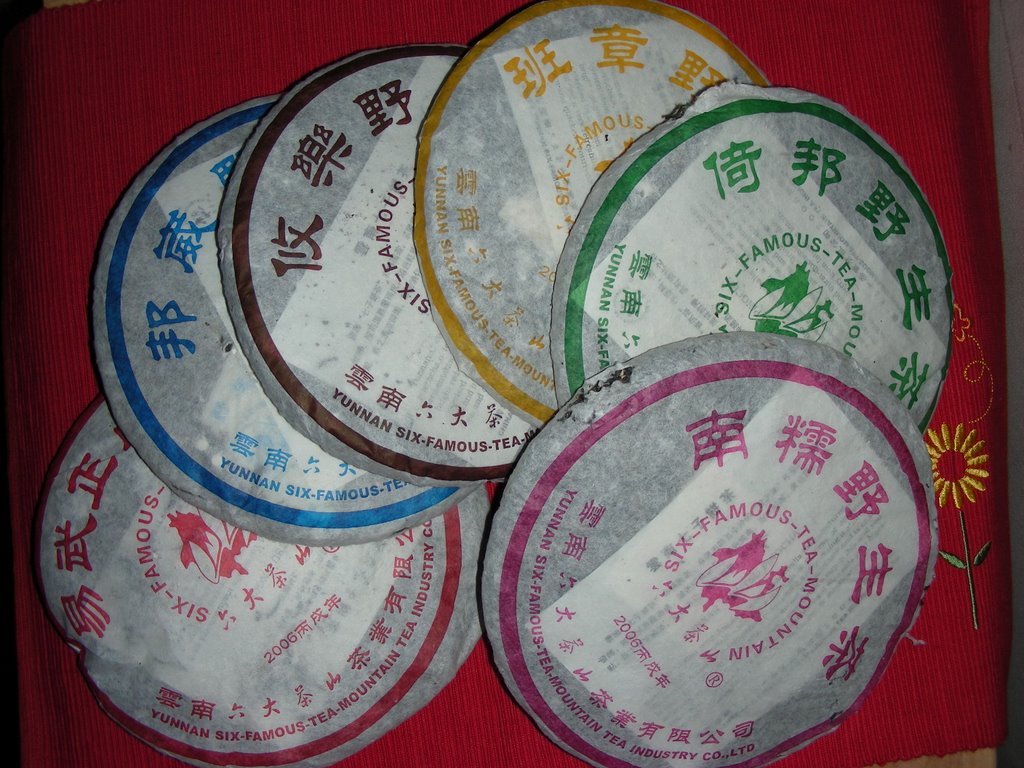
Six famous tea mountains tea

The past week has been restless in a sorta good way. I was over excited about and by all the new cakes, drinking all day long, 4 to 5 different tea each day, 1.5 hours on average times 5, that's almost 8 hours of constant caffeine intake, I was drunk every day and up till the wee hours. So I am taking a break, only 1 ooglong so far today while sniffing on other cakes. Addiction is not only limited to illegal drugs! :P

Tea from each of the six famous tea mountains in Yunna.

It's difficult to identify the distinctive aroma, flavor and other characteristics of tea from different regions if tasted on separate occasions. I feel like experimenting, finding out the subtle differences between each mountains. On this posting, I am on the very first step, the dry leaves contest!


From left to right:

1. Yi Wu - light fragrance, mellow, 30% tobacco, 70% hibiscus (sweet floral)

2. Bang Wei - more intense aroma, sweet tobacco

3. You Le - balanced aroma, not too strong, not too light, caramel sweetness with some smoky not tobacco smell

4. Ban Zhang - very light aroma, I don't know how to describe it, perhaps floral herbal but faintly noticeable

5. Yi Bang - similar to You Le, slightly stronger in aroma, caramel, smoky closer to tobacco but not intense

6. Nan Nuo - fresh tobacco, little roasty with a touch of sweetness, gives you that pleasant "weed" like heighten state when you take a long deep sniff all the way to your lung


I can't see any significant difference by their appearance. Color, composition, size, shape, mixture are all very similar if not the same.

I should taste them all at the same time to find the difference in flavor as soon as I recover from lack of sleep. It's easy to taste something and conclude whether you like it or not, but when something similar yet different in subtle ways, tasting side by side is the only way to tell the difference, and it's an excellent way to train your tasting palate.

Thursday, November 30, 2006

Second painting


Second painting, white petals instead of pink. Improvement on the branches which I am happy about. Still need a lot of practice on the flowers, especially on the paint consistency, then is the flower positions. I have yet been able to capture flowers behind branches or partially behind branches, how flowers clusters together and still be able to identify each individual flower whether in whole or partially revealing to sight.

Wednesday, November 29, 2006

My first canvas painting


Since I can't afford paintings that are tens thousands dollars, and I want to have a large wall size painting, I decided to learn. After spending an hour wandering in an art supply store, taking a "free" lesson from the sales lady, I came home with everything I need as a beginner.

With my fascination of Chinese ink painting, but not having the skills to paint in ink on paper or silk, I feel I should translate the ink painting into an Acrylic painting on a canvas. It came out better than I'd hoped for in terms of colors, but my brushes are too cheap to strike clean strokes. Alright, I'll start on the second one, should improve in some way.

I am practicing on a 9x12 canvas before I even attempt anything bigger. The wall size painting I have in mind might have to be separated into 3 or even 4 7'x5' canvas. I hope my interest will last long enough to finish the project. :P

Blooming prune tree across the wall should go well with the Ching Wedding bed, to create that romantic and classic Chinese ambiance for tea drinking, total escape from the modern day life.

Tuesday, November 28, 2006

2005 Golden Bud Beengcha Tribute Tea Cake

Spring buds mixed with 1st grade leaves from Bu Lang Shan. One of the highest grade ripe pu-erh available according to seller. Cake looks very attractive, a lot of young buds, I'd say mostly young buds compressed tightly.


2 grams of leaves were used for the first tasting. It turned out quite weak. So I am using 4 grams of leaves for this posting.


4g, boiling water, gaiwan

1st brew: 5s, reddish clear, smooth, no aroma, slight sweetness with pleasant wood taste, dry feeling in back of throat, after taste is incense like sweet between tongue and upper mouth.

2nd brew: 5s, dark red, very smooth almost creamy, sweet with a sour note, this could be avoided by using fewer leaves I think. Next tasting will be 3 grams! The sweet flavor is woody though not quite overwhelming as sandal wood, but definitely has the scent and smoky sweetness.

3rd and 4th brew: 5s and 10s, similar to 2nd with the same intensity of flavor, color and texture, sour note is dissipating with successive infusions.

6th brew: 20s, lighter in color, more transparent, not as intense in flavor, but smooth as other

It gave up around the 8th brew, it might be able to go on for an other one or 2 brews with longer infusion. After taste is sweet and leave a clean slick mouth feel for quite a while. Although nothing out standing in terms of flavor, but its smoothness is on top of the cooked pu-erhs lists.

You just have to be patient with pu-erh... Patience is golden, specially for pu-erh! Good potential for aging this bing.

Comparing Taiwan's Tea Culture to China's

I am still wired up by the Lao Ban Zhang raw pu from this afternoon. Well I had some Dan Cong after the orchid auction as well. They both had to share the blame. :)

An article by Choudoufu at http://www.squidoo.com/TaiwanTea/ caught my attention. The difference between China and Taiwan tea culture. I don't know how to post my comments on that site, so I write it up on mine.

When speaking of Taiwan tea culture, the main stream is Kung Fu tea using tea sets made specifically for this purpose, and the most suitable tea are ooglong, pu-erh, dan cong to name a few. Due to Taiwan's geographic size, there are limited varietals grown on the island.

China on the other hand is a very large country geographically, each region/climate produces its own specialty, suitable to drink with kung fu tea ware or not. Kung fu tea originate in Fu Jian, also popular in Chao Zhou, yunnan, mainly the southern provinces. For reasons that the type of tea produced in the region can be complimented by such method and tea ware. Other regions such as Zhe Jiang, Si Chuan produce Lung Jing and other green tea, which doesn't last infusions after infusions, a cup brewing method is sufficient enough. Shang Hai is a Lung Jing drinking city, that's why mostly brewed in a cup both for visitors and at home. I was growing up drinking Hong Cha (red/black tea) brewed in a large teapot, then poured into cups. Yum Cha with dim sum is a typical Cantonese - Guang Dong province style of tea drinking. Interestingly enough, many Cantonese categorizes loose cooked pu-erh as black tea due to its color.

I don't think we are comparing apples to apples here.

The development of the tea culture are different between the shores of strait, dictated by political economical influence mostly. War fare since late Ching had slowed down the development in China as a whole. Particularly during Cultural Revolution in mainland China, all forms of art was banished. While trees were still growing and producing, techniques and quality were regressing, only to meet the basic demand of consumers, no more different than salt or rice, it's a necessity. Taiwan had a new crowd of tea drinkers since the independence of the communist party. The relatively calm political environment and international business establishments in Taiwan provided the means to create demands for high quality tea and tea wares. One progressed and the other regressed for a good 30 40 years. Looking back in Chinese tea history, tea culture flourished during Tang, Song, Ming and Ching, dynasties where economically and politically stable. Other times during Chun Chiu, San Guo, Liao, Jin, tea culture development were hauled to a stop mostly. Any forms of art requires financing and demand to flourish, just like the Romans. In the last 20 years, China is catching up although not yet revived in every corner. Bidding for 700g (entire crop) of Da Hong Pao from a 800 years old mother tree was 168k RMB years ago. Tea houses are spung up like bamboo shoots after a spring shower in major cities across China nowadays. With modern transportations, it's much easier to mix and blend regional specialties than ever, even though locals might still prefer their regional tea.

Tea drinking is a simple pleasure in life, however it is not simple behind the scene. I am thankful for the availability during my life time to pursuit the finer art of such simple pleasure. Drink up every one!

Monday, November 27, 2006

2006 Lao Banzhang raw pu-erh

My pu-erh orders are here!!! I came home around mid-nite last night from the long Thanksgiving weekend, found 2 large packages from China in the mail box. My heart started pounding as soon as I smell the faint pu-erh aroma leaked through the card board boxes. 72 cakes all together! Imagine my excitement! Yay!!!


2006 Hai Lang Hao Lao Ban Zhang raw pu-erh cake


Dry leaves: This cake looks very attractive, a lot of young silver hairy leaves, both on top and bottom of the cake. A sign of quality leaves. Fresh tobacco mixed with floral or spring forest aroma. Something I notice is the hole in the bottom is not centered nor smooth as it came out of a mold. I am baffled by this irregularity.


2.5 g, gaiwan, hot boiling water, no pre-wash

1st brew: 10s, golden yellow, fresh tobacco aroma with a hint of sweetness, crisp clean and fresh mouth, sign of typical young pu, the smoky sweet taste gives an aged feel, however a 2006 young pu should be too fresh to have such flavor, unless it's harvested early 2006 and stored with high humidity. I found my other 2006 wild pu starting to give out aging flavor about 1 month ago, provided that I stored it in its own wrapping with a lot of ocean humidity since June.

2nd brew: 10s, deep golden yellow, less aroma, sweeter, more intense taste, still some tobacco, after taste is intense

3rd brew: 10s, similar to 2nd

4th brew: 15s, less sweet, tobacco flavor still remains

5th, 6th and on: 20s, 30s, 45s, lighter color, still tobacco, but pleasant, hint of sweetness, after taste is long lasting

Open leaves: Large leaves, young and tender, reddish brown - a sign of fermentation. I wonder if it's over fermented, therefore gives out more tobacco flavor then it should be. By the size of the leave, it seems like authentic Yunnan large leave wild varietal. I have questions in my mind about this cake. Maybe it will take some time to discover its true flavor with another brewing method.

It's still giving out flavor at 10th brew, long lasting. I am not impressed yet at this first tasting. For $37 a cake plus shipping, I am not sure about the flavor at this point. Leaves looking this good with a flavor not measuring up to the PQR (price quality ratio), I hope I can find out more in future tastings.

This tea is highly caffeinated, I can feel the effect after more than an hour. After not drinking caffeinated tea for 5 days, I wonder if my body has lowered its tolerance for caffeine?!

Seller's remark:
This is one of few teas that I (as an experienced drinker of raw/Sheng Pu) actually experience a sort of drunken or heightened state when I drink.

HA! Now I know why!

Wednesday, November 22, 2006

Happy turkey day!

It's the season! Holidays are coming one after an other. While I am sitting here waiting for the traffic to thin out a bid before I hit the road, just wanna wish you all a happy thanksgiving holiday! Be good, be safe and behave is my motto!

If turkey day is not a holiday where you are, have a good rest of the week!

Monday, November 20, 2006

Ching export blue white tea cup


Cute little hand painted cup made for china export to the European market, probably in the Ching dynasty. The handle is molded into bamboo shape. The shape of the cup is in between a traditional Chinese tea up and an espresso cup. Both the clay and glaze have a slight grayish tone, it's a common clay used during Ming and Ching dynasty. China ware made for foreign markets were poorly made, in terms of designs, craftsmanship, and clay quality. This is a very typical cup has all of those characteristics.

My friend who is an antique collector for about 10 years told me it's difficult to find quality authentic antique in mainland China. His collection consist a bronze sword from the chun chiu shi qi, 770 to 476 B.C., the Spring and Autumn Period.

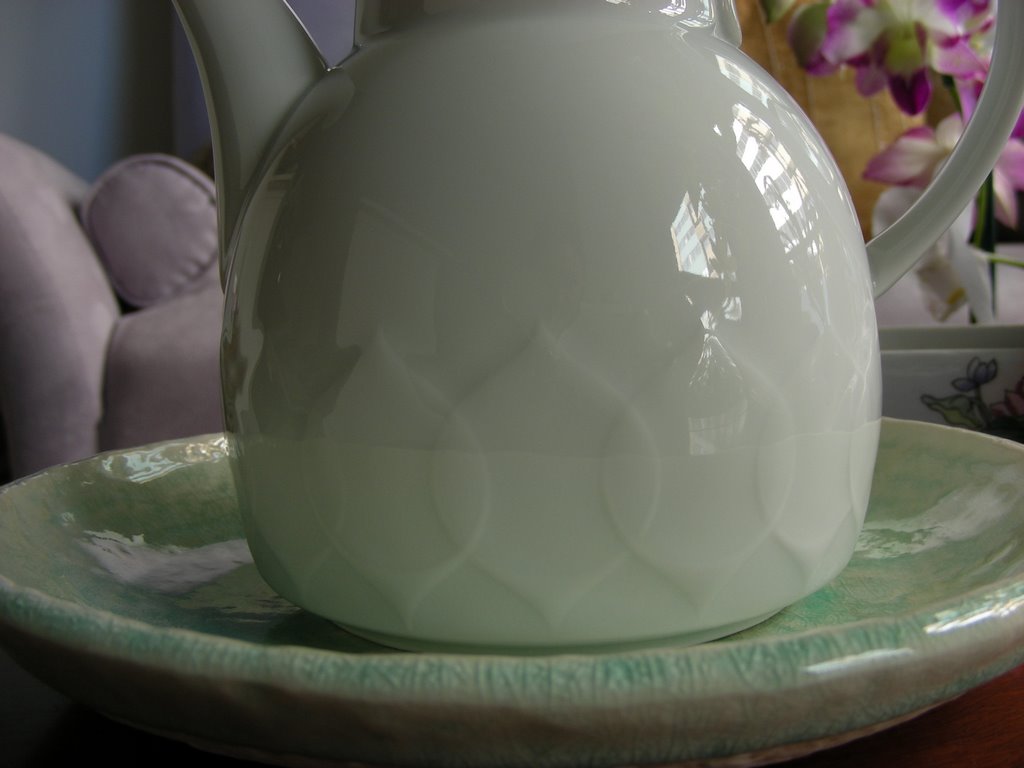
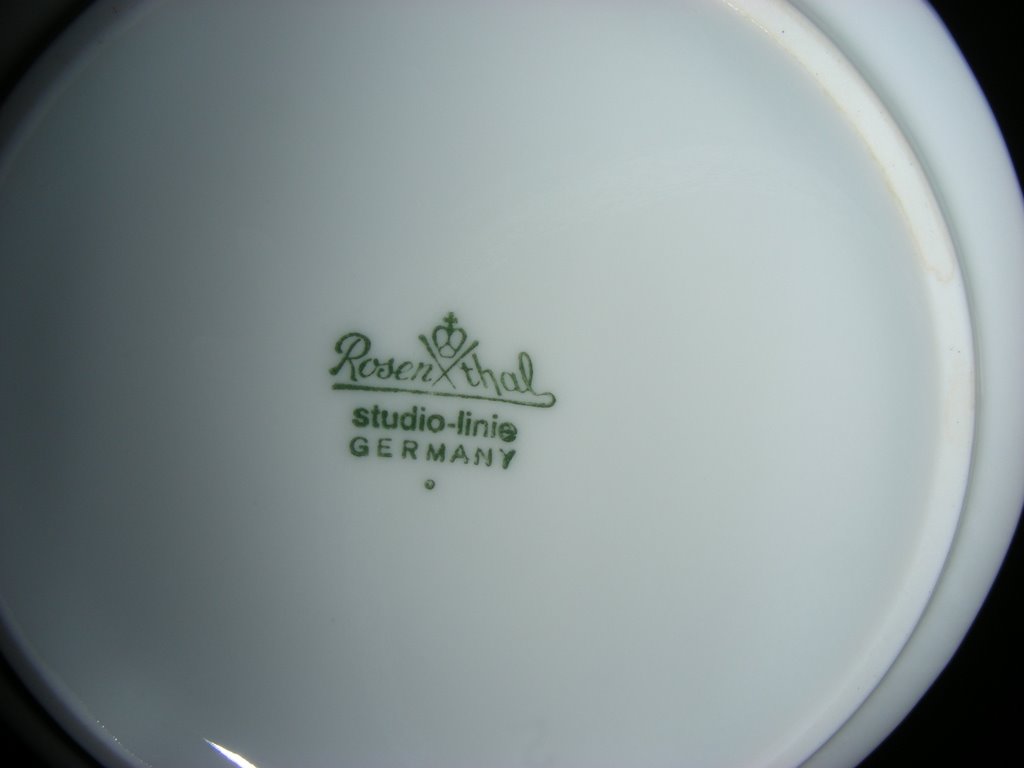
Rosenthal lotus teapot

Rosenthal makes very nice tea wares. Clay quality is as pure as it can be, design is modern yet functional, good drip control, good water flow as well. I found the same pot on ebay for $89 plus shipping, which I paid only $10 at a local antique shop. A bargain huh!


Monday, November 13, 2006

Ching wedding bed

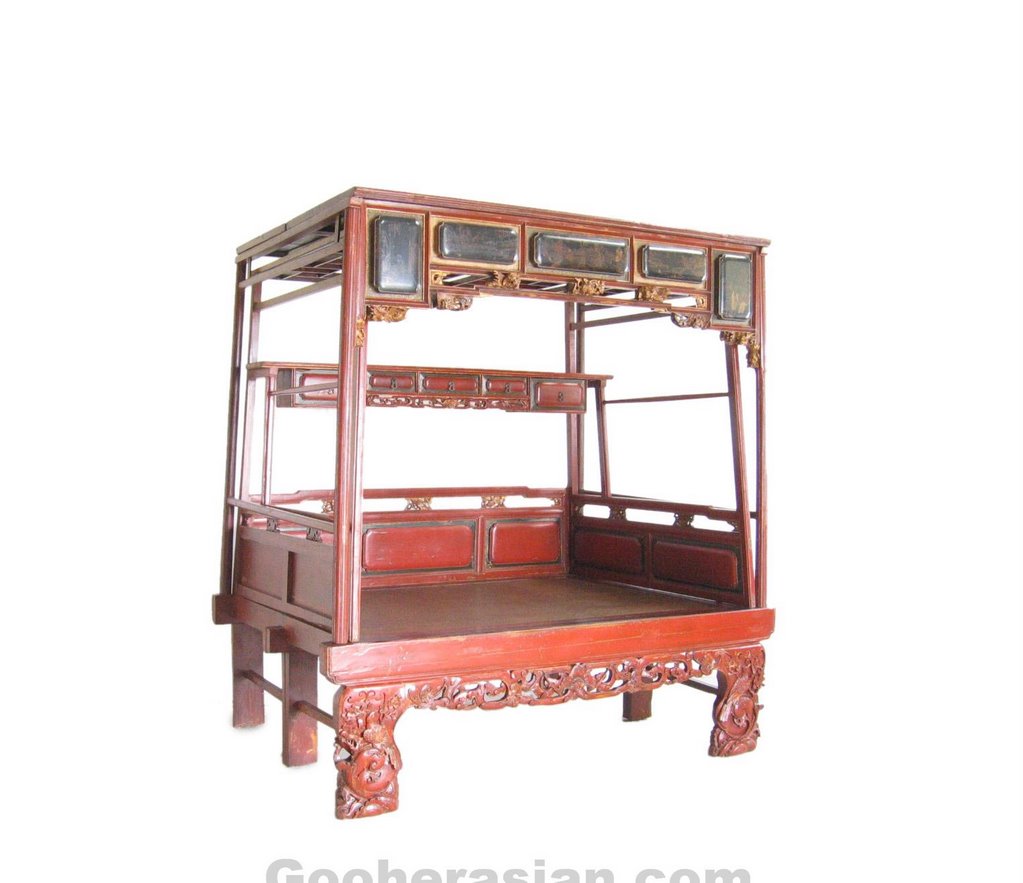
A beautiful antique bed I acquired last week. Full size without mattress. I intend to use it as my work station/tea house. Cushions added for comfort, a small Kang table as a work table/tea table. It would be an ideal oyster environment for tea drinking. It also makes work enjoyable as well. Ahhhhhhhh....

It comes with little drawers in the middle, perfect for storing stationeries and tea utensils. The top of the drawers can be used as book shelf. How ideal!!!


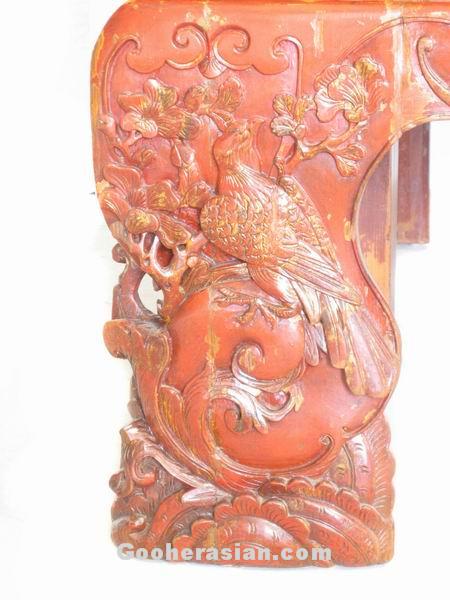
The wood carving here on each footers is a bird on blooming prune tree branch. Xi que 喜鹊 (magpie) literally happy bird, prune flower is Mei Hua, the combination of the 2 in a design is a symbolic notion of Xi Shang Mei Shao 喜上眉梢(happy, up, eyebrows, branch tip). A happy bird up on a prune branch sounds like happiness up on eyebrows in mandarin. I am increasingly more intrigued and fascinated by Chinese literature and its subtle meaning in every phrase. Simply amazing!

I contemplated about the phrase Xi shang mei shao in an half asleep state of mind during sleep. Why happiness on eyebrows tip 喜上眉梢? Smile at a mirror and you'll find out why! Facial muscles uplift to the temple area where the tip of the eyebrows are when smiling, see it?! Gosh a little 4 characters phrase containing a story, logic, descriptions of physical reaction and emotion! Endless wisdom in Chinese culture!

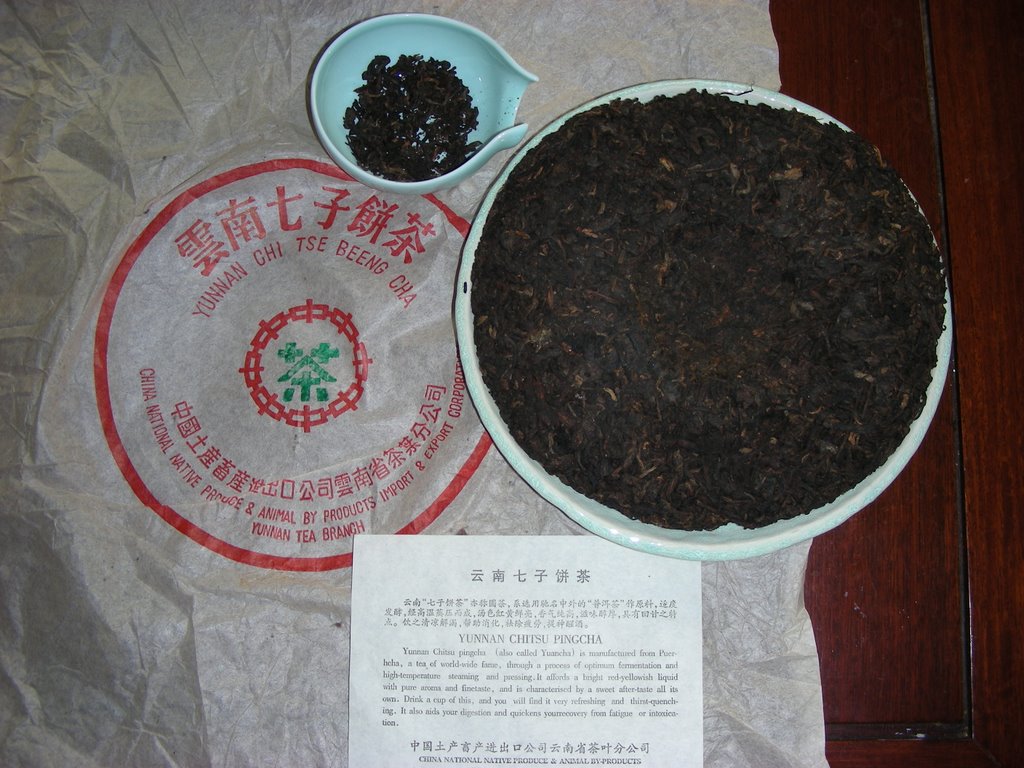
Free Yun Nan Chi Tze Cha


Antique shopping is always fun. I have an obsession with Chinese antique, be it furniture, china wares, embroidery items. Wait, I have more obsessions than I realize.

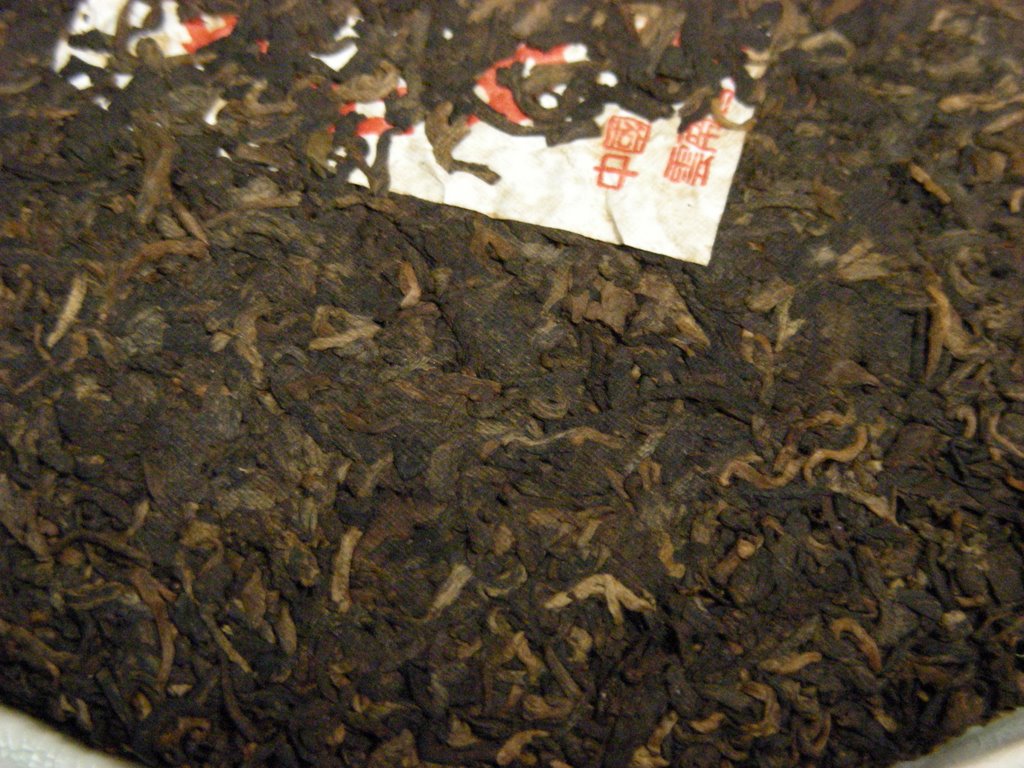
I bought a beautiful Ching dynasty wood carved bed last week. Spending 3 hours at a shop, you bound to get to know the owner a little bit, and vice versa, he gave me a pu-erh cake! He didn't give me much information except he bought a bunch in Yun Nan 2 years ago. Any one can tell the age? It's cooked for all I know. His brother also made oolgong for us. Now, that's good service!

I tasted a sample of this pu, seems to me no more than 5 yrs old or even 3, for it lacks the smooth sweetness, strong wood taste. A typical cooked pu-erh that non-Asian and Hongkongnese would drink with milk and sugar.

Friday, November 10, 2006

Young Ku Ding Cha


I managed to take a good shot with this new camera. However, I can't seem to get rid of the blue hue as you can see on this white porcelain cup. The clarity is much better though.

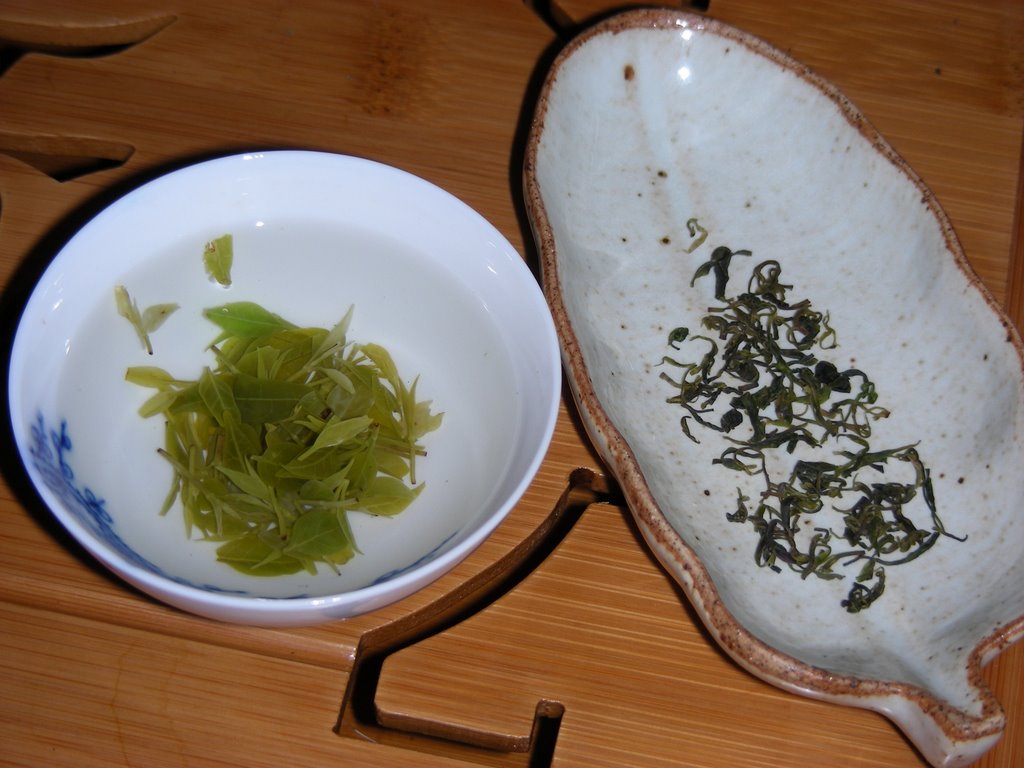
This Ku ding cha is in small natural dried young leave form instead of the nail form, looks like Bi Luo Chun almost. It taste less bitter than the larger leave nails. Leaves are so young and tender, it's actually edible, refreshing and bitter at the same time, leaving a clean mouth feel. If you like the benefit of the Ku Ding Cha, but less bitterness, this is the one to drink. It's selling for $40 per lb at YHF, normally cost $50 to $60. I am not advertising for YHF, but it is a good deal.

Wednesday, November 08, 2006

2005 Mengku Banzhang Ancient Tree Pu-erh Tea Brick 100g

Finally my new camera came today. These are the pix I took. There is no comparison to Canon. The picture quality is so poor with flash on, all pictures came out with a blue hue. Perhaps I should give it an other shot in the sun and see how it goes. I am considering buying a Canon and return the Nikon already.


I had this tea since June and I just open it for a taste. Seller's note about this tea: Mengku Tea Factory made an expedition to remote area near Banzhang mountain to obtain the leaves for these cakes. The leaves are from trees 400 to 500 years old that were heavily cut during the Cultural Revolution. The trunk is still intact and in the 35 years since the trees have continued to grow and produce excellent quality Pu-erh with that special Banzhang taste and penetrating perfume-like aroma. When brewed is golden yellow and takes 10 or more infusions, each infusion with it's own taste and gradually less bitter and ineffably sweet.


1.5g, hot boiling water, zisha pot

Dry leaves: light aroma resembling tobacco and floral, mixture of young hairy tips and mostly dark green leaves, a few medium green leaves which doesn't look like it's from the same tree.

1st brew: 10s, light yellow color, lovely intense aroma of summer/fall floral, crisp clean mouth feel, not sweet, a bit of astringency

2nd brew: 15s, same color, still a lot of floral aroma plus a smoky taste, some astringency, no bitterness, a lot of wild puer aroma after taste, pleasant taste lasts a very long time - 20 minutes and more

3rd brew: 10s, same color, floral still strong, smoother in taste, astringency still, very nice after taste

This is one of those nice wild varietals which gives the kind of long lasting aroma I enjoy time after time. It lacks the aged flavor which due to its young age, in time, the glucose should break down enough to give it smooth and sweet taste. I find this tea taste differently when drunk hot or luke warm within the same brew. More floral when hot, and more smoky and smoother when cool.